 Christina Danie
Living close to the coast comes with its own quiet beauty, but the weather does not always play gentle. The salty air settles on everything, the wind hits harder than you expect, and those long humid days slowly test the strength of a roof. You start to notice how much the house puts up with just to keep you safe. People often search for the right balance between strength and cost, and that is when they look around a website to understand which options make sense for them. A good roof can protect the home for many years and also reduce stress during storm months.
What Types Of Roof Materials Handle Salt Air And Storms Best
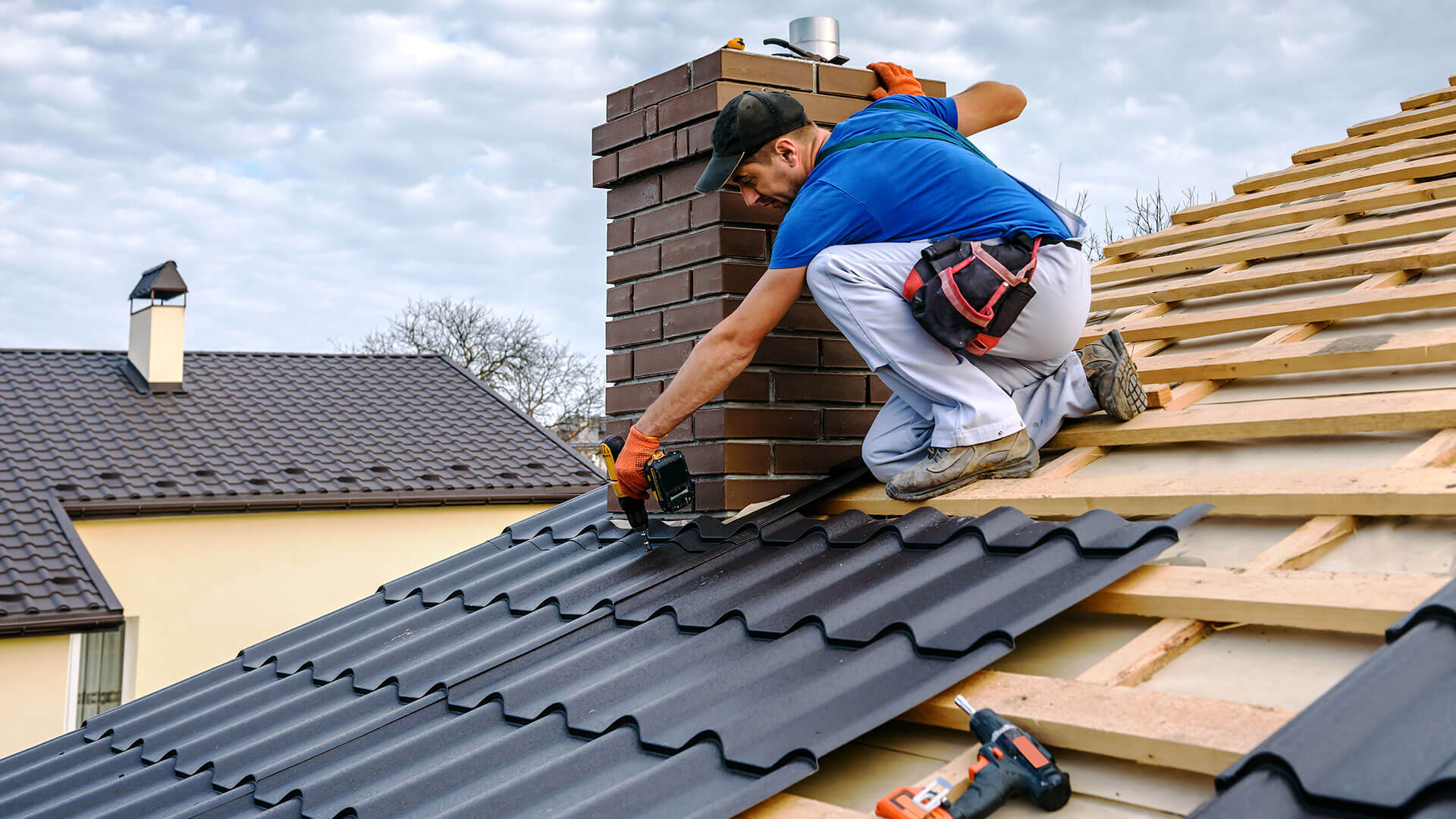
Salt in the air slowly settles on the roof and can weaken some materials over time. That is why homeowners often choose coverings that stay steady even with constant salt contact. Metal sheets with protective coatings are common for this reason. They stay firm, look neat and can handle wind pressure better than many expect.
Shingle roofs also work well when they come from trusted brands and use a thicker layer for more grip. Tile roofs give good heat control but need careful installation so that each piece stays secure. Every material has benefits, and the choice usually depends on budget and home style.
When To Choose Shingle Roofing Versus Metal Or Built Up Systems
Shingles are often the choice for families who want a clean look at a friendly rate. They are simple to replace and come in many shades. Metal roofing suits people who want long life and less worry about strong winds. It costs more at the start, but the durability often makes up for it.
Built up systems are used more in commercial places or flat structures. They give steady protection and work well in warm climates. Each option fits a different need, so homeowners always benefit from a clear explanation from a professional before deciding.
Extra Signs That Show A Roof Needs Attention
A table can help people notice early clues.
| Sign | What It Means |
| Small leaks | Water may be entering through worn areas |
| Loose or missing shingles | Wind may be lifting parts of the surface |
| Metal rust spots | Salt air is wearing away protective layers |
| Dark patches | Moisture may be trapped |
When A Professional Visit Becomes Necessary
Sometimes homeowners try to check issues on their own, but coastal damage can hide under the surface. A trained team can see things that the eye misses and give a clear plan. People often book inspections after a rough season to stay ahead of problems. While thinking about trusted support, many search through a website that shows real details about services and material options.
A calm talk with a roofing expert often helps ease the worry that comes when a roof starts showing signs of age. And with the right materials, a home near the sea can stay strong and welcoming for many years.